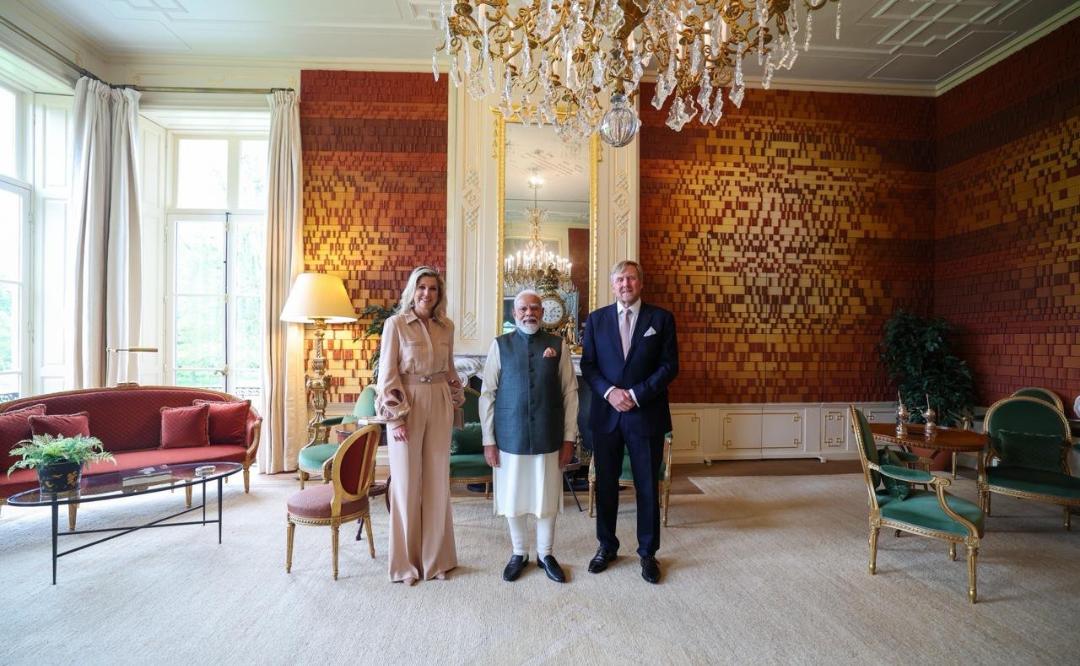
Photo: Narendra Modi by X
A Historic Return After Nearly 1,000 Years
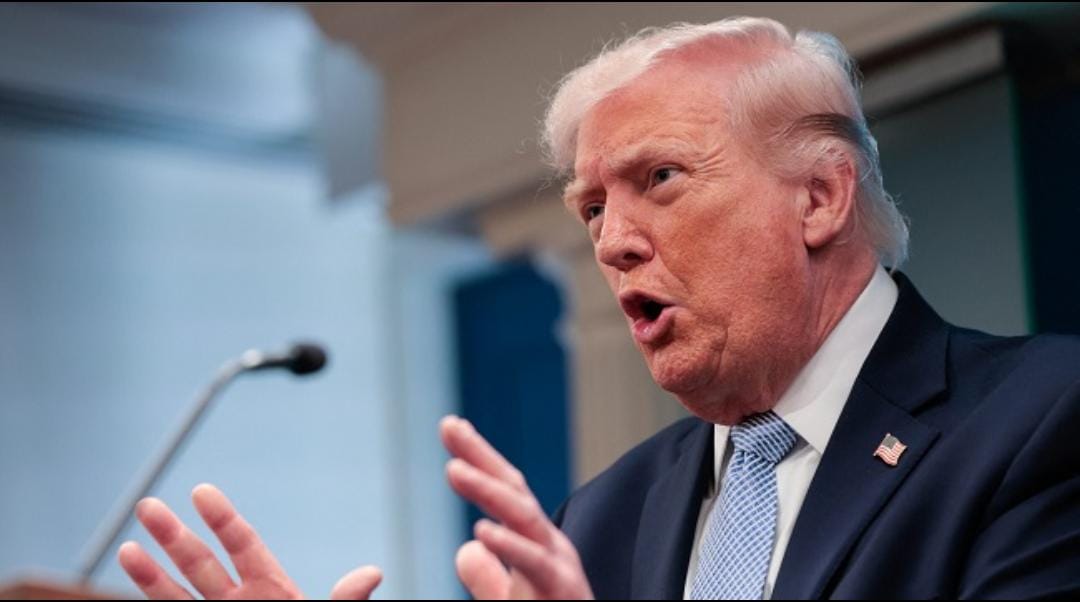
Prime Minister Narendra Modi visited the Netherlands on May 16, 2026, as part of his five nation foreign tour. During the visit, India achieved an important cultural and diplomatic success as the Netherlands officially returned the famous 11th century Chola dynasty copper plates to India. The event took place in the presence of PM Modi and Dutch leaders, highlighting the growing friendship between the two countries.
PM Modi met King Willem Alexander and Queen Máxima at the Royal Palace. The leaders discussed cooperation in several modern sectors, including digital technology, innovation, fintech, renewable energy, semiconductors, maritime security, and the blue economy. Along with economic and strategic discussions, the return of the ancient Chola artefacts became the most emotional and symbolic moment of the visit.
The copper plates, also known as the Leiden Plates in the Netherlands, belong to the period of the powerful Chola ruler Rajaraja Chola I. These plates are nearly 1,000 years old and are considered among the most valuable surviving records of the Chola Empire. The set consists of 21 copper plates weighing around 30 kilograms. They are tied together with a bronze ring carrying the royal seal of the Chola dynasty.
The plates contain inscriptions written in Tamil and Sanskrit. Historians believe they provide important details about administration, trade, temple donations, culture, and the political strength of the Chola Empire during its golden age. They are especially linked to the Anaimangalam village grant and offer evidence of the Cholas’ influence across South and Southeast Asia through maritime trade and naval power.
India had been trying to bring these plates back since 2012. Their return is therefore not just about artefacts but also about restoring a part of India’s civilisational history. The handover reflects the increasing willingness of European countries to cooperate with India on cultural heritage and repatriation of historical objects taken abroad during earlier centuries.
More Than Diplomacy: A Strong Message on Heritage and Identity
During the ceremony, PM Modi described the return of the copper plates as a proud moment for every Indian. He said India deeply values its ancient heritage and traditions, and preserving historical treasures is important for future generations. The return of the Chola artefacts also carries emotional significance for Tamil culture and heritage, as the Chola dynasty remains one of the greatest empires in Indian history.
Apart from cultural ties, the visit also focused on strengthening India-Netherlands relations in strategic and economic areas. According to India’s Ministry of External Affairs, cooperation between the two nations has expanded rapidly in recent years. The two countries are working together in defence, cybersecurity, clean energy, semiconductor manufacturing, agriculture, water management, and education.
PM Modi said India and the Netherlands can play an important role together on the global stage. He highlighted the need for trusted and transparent supply chains at a time when many countries are trying to reduce overdependence on a few global markets. This is especially important in sectors such as semiconductors, technology manufacturing, and renewable energy.
The Prime Minister also referred to sports diplomacy during his interaction with Dutch leaders. He praised the Dutch cricket team for its impressive performance during the T20 World Cup hosted in India. His comments reflected how sports can help strengthen people to people ties between countries.
“Why the Chola Copper Plates Matter in Modern Times”
The return of the copper plates is significant for several reasons. First, it shows India’s growing diplomatic influence and success in reclaiming cultural treasures from foreign museums and institutions. Over the past decade, India has recovered hundreds of stolen or exported artefacts from countries including the United States, Australia, and Britain.
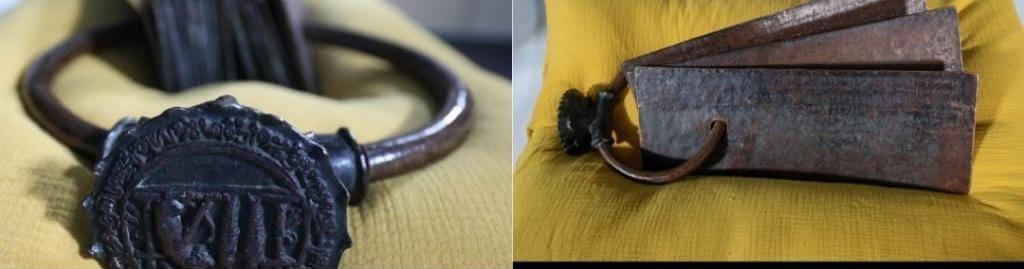
Photo: Narendra Modi by X
Second, the event highlights the importance of cultural diplomacy in modern international relations. Countries today are increasingly recognising that historical artefacts are deeply connected to national identity and heritage. Returning such objects often improves trust and goodwill between nations.
Third, the return draws global attention to the richness of South Indian history. The Chola Empire was one of the strongest maritime powers in Asia between the 9th and 13th centuries. Under rulers like Rajaraja Chola I and Rajendra Chola I, the empire expanded across large parts of South India and Southeast Asia. The Cholas built magnificent temples, promoted trade, and developed advanced systems of governance.
The copper plates are therefore not just historical records but symbols of India’s ancient administrative strength, cultural sophistication, and international connections. Their return may also encourage further academic research and public interest in Tamil history and Indian maritime heritage.
PM Modi’s Netherlands visit combined cultural symbolism with strategic diplomacy. While discussions on technology, innovation, and economic cooperation focused on the future, the return of the Chola copper plates connected the visit to India’s ancient past.
The event demonstrated how modern diplomacy today is not limited to trade and defence agreements alone. Cultural respect, historical recognition, and shared heritage are becoming equally important in building stronger international partnerships.
As India, continues its efforts to recover historical artefacts from around the world, the return of the Chola copper plates from the Netherlands stands out as a major achievement , one that celebrates both India’s rich civilisational legacy and its growing global influence.
Yeh article aapko kaisa laga?