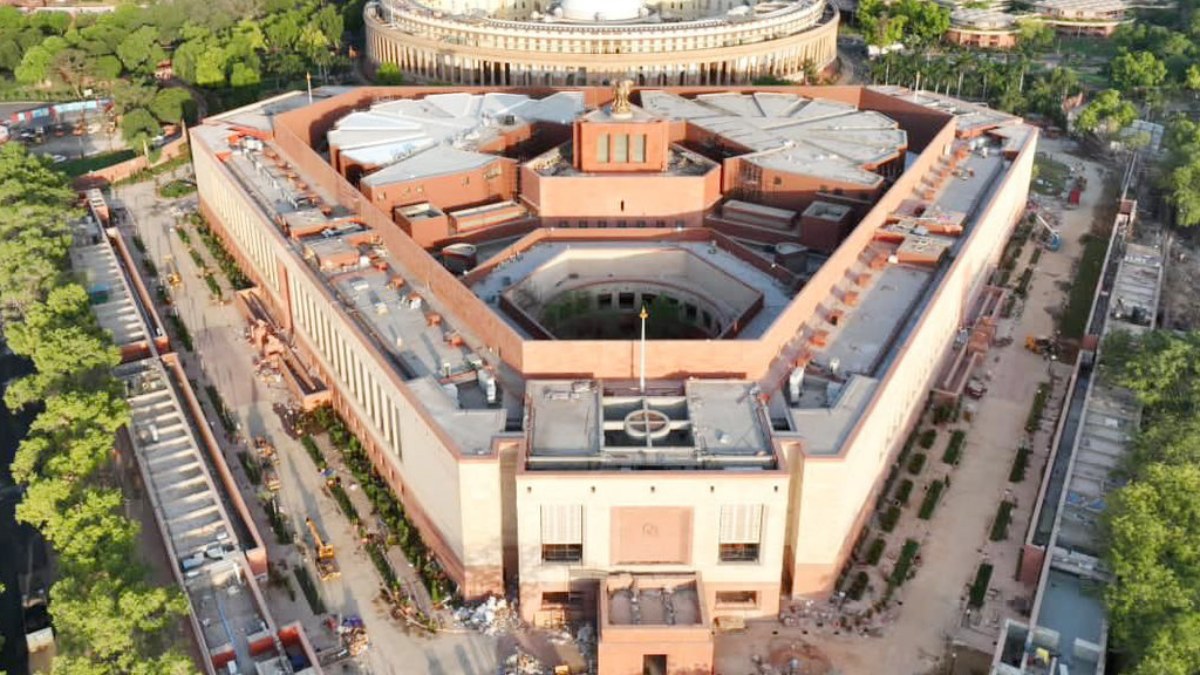
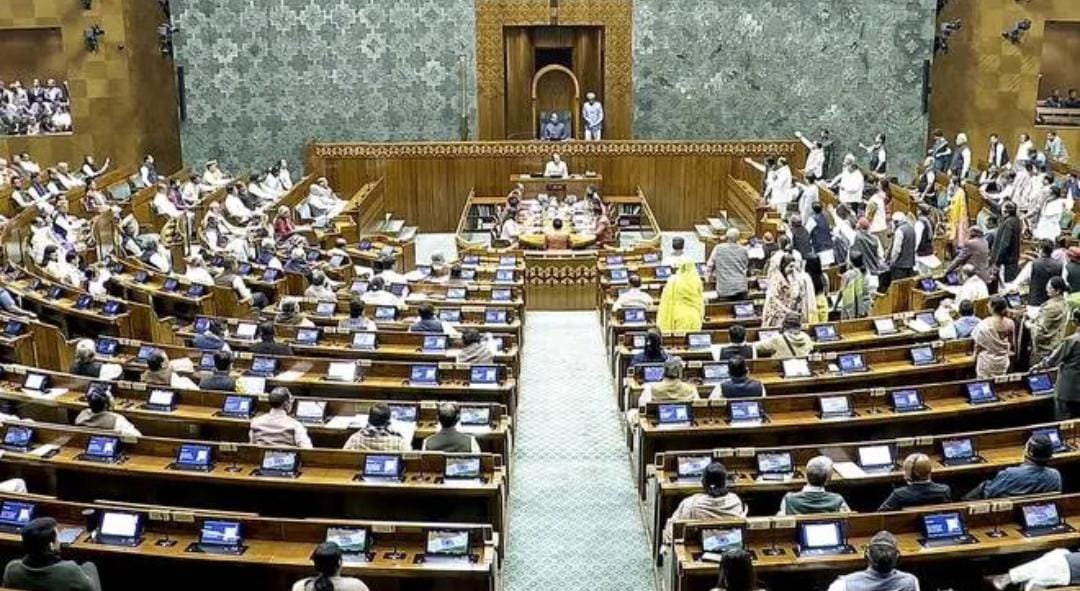








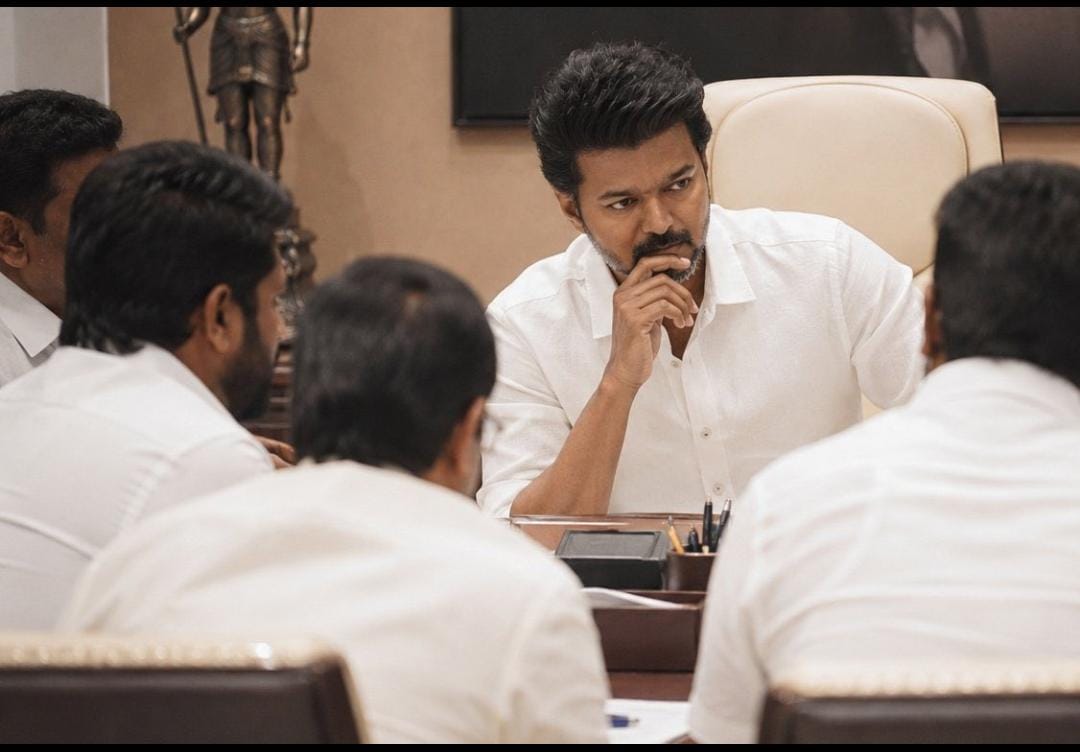

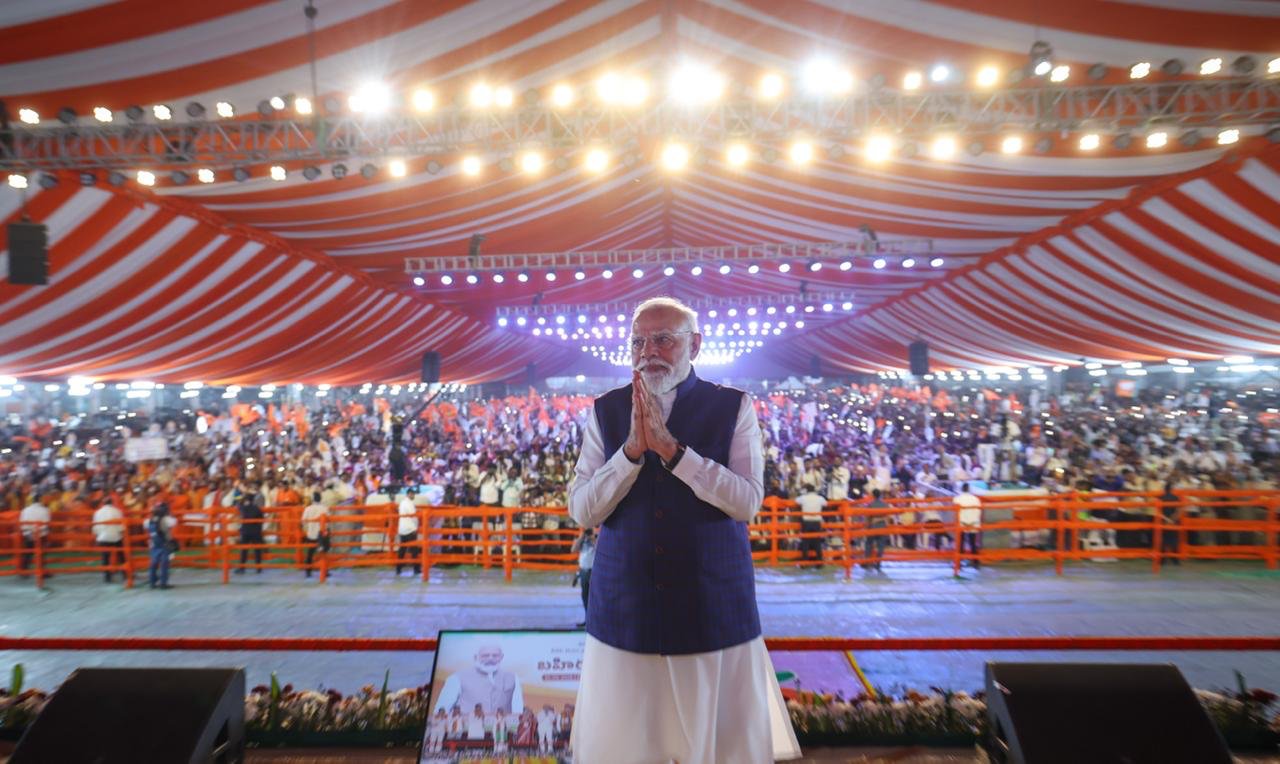






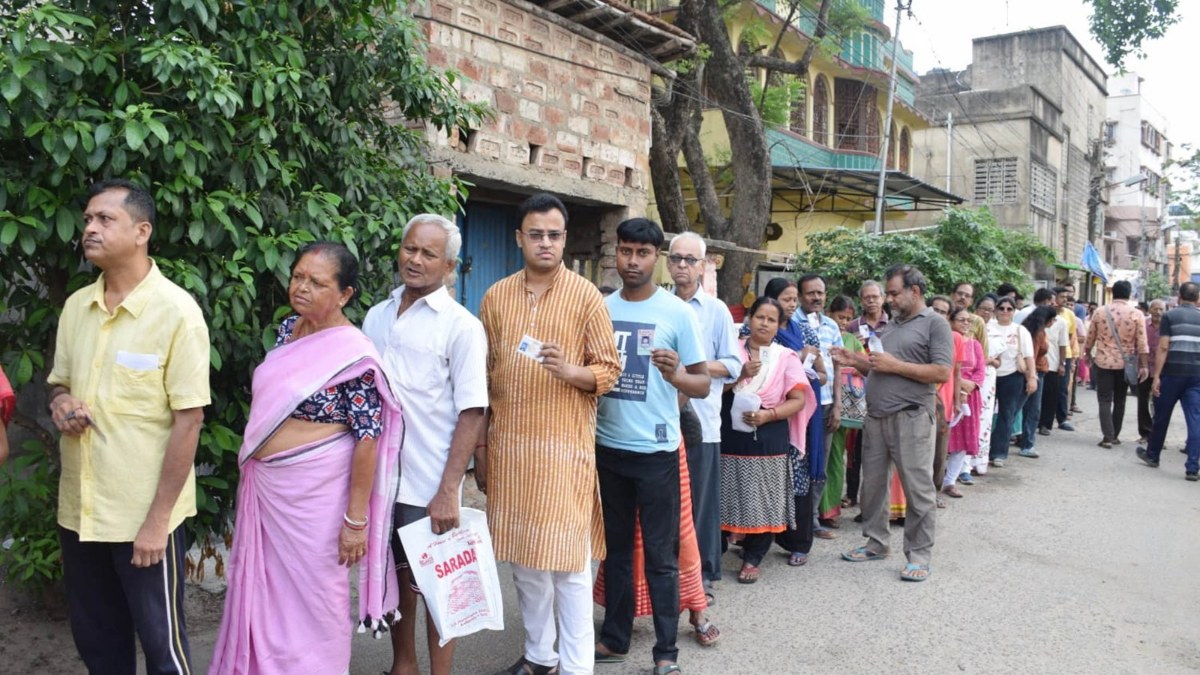

















The Census 2026-27 and the Return of Caste Enumeration
The results of this massive endeavor will undoubtedly shape the political and economic landscape of India for decades to come.
Read more
Decrypting The News | Defining The Narrative

LexHour - where every headline has a story behind it. We decode politics, law, finance & more so you stay informed, not just updated.
Contact UsDecrypting The News | Defining The Narrative
 Taxation and Other Laws (Amendment) Bill, 2026: Understanding the Proposed UPI MDR Framework
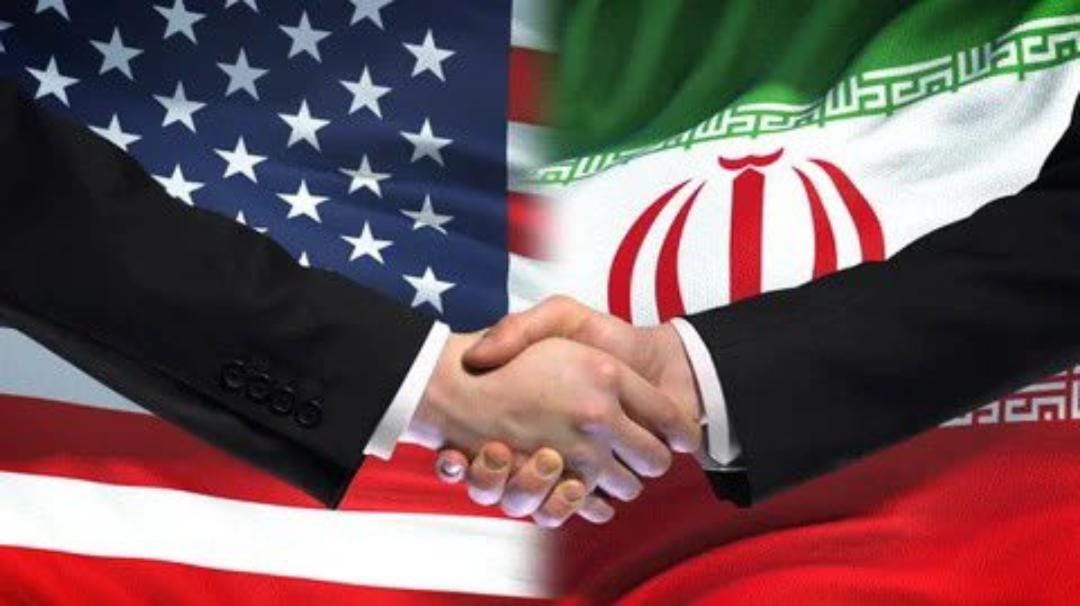
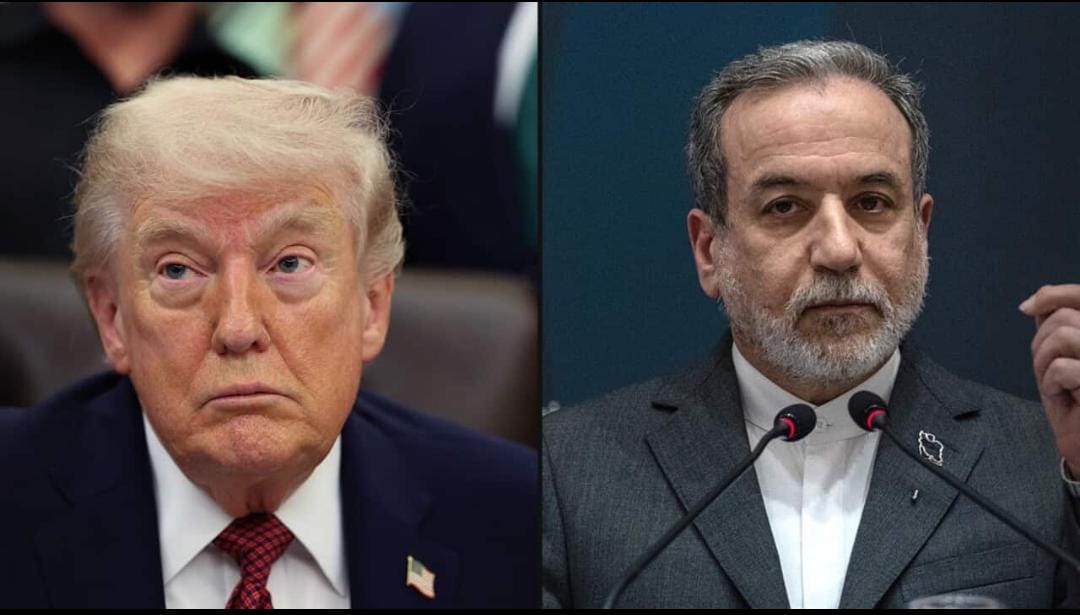
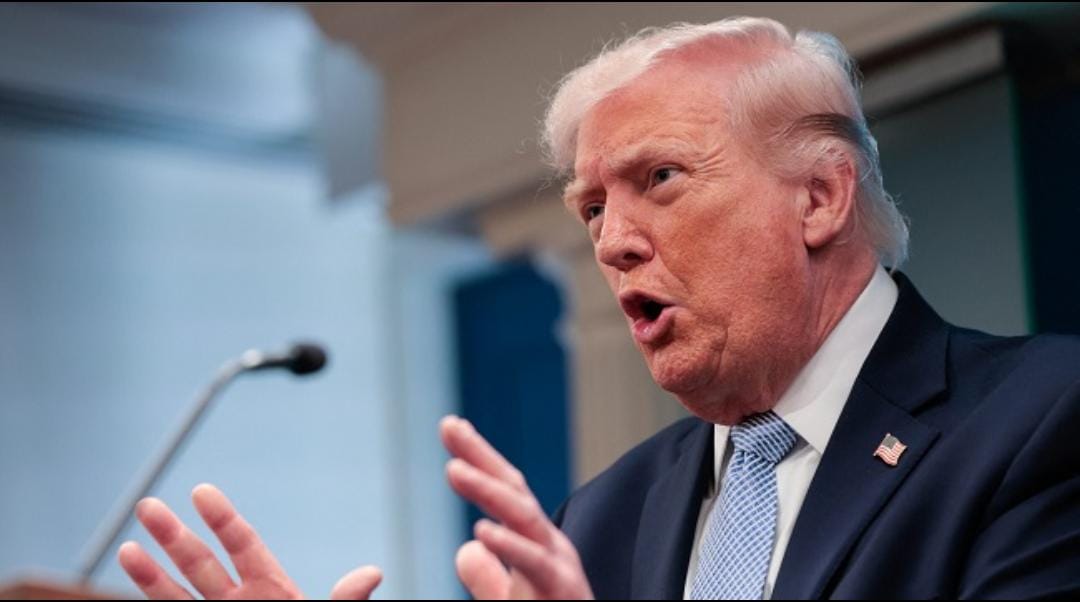 Trump Warns Iran of a “Very Hard” Hit as Hormuz Deal Stalls and Oil Markets Watch Closely
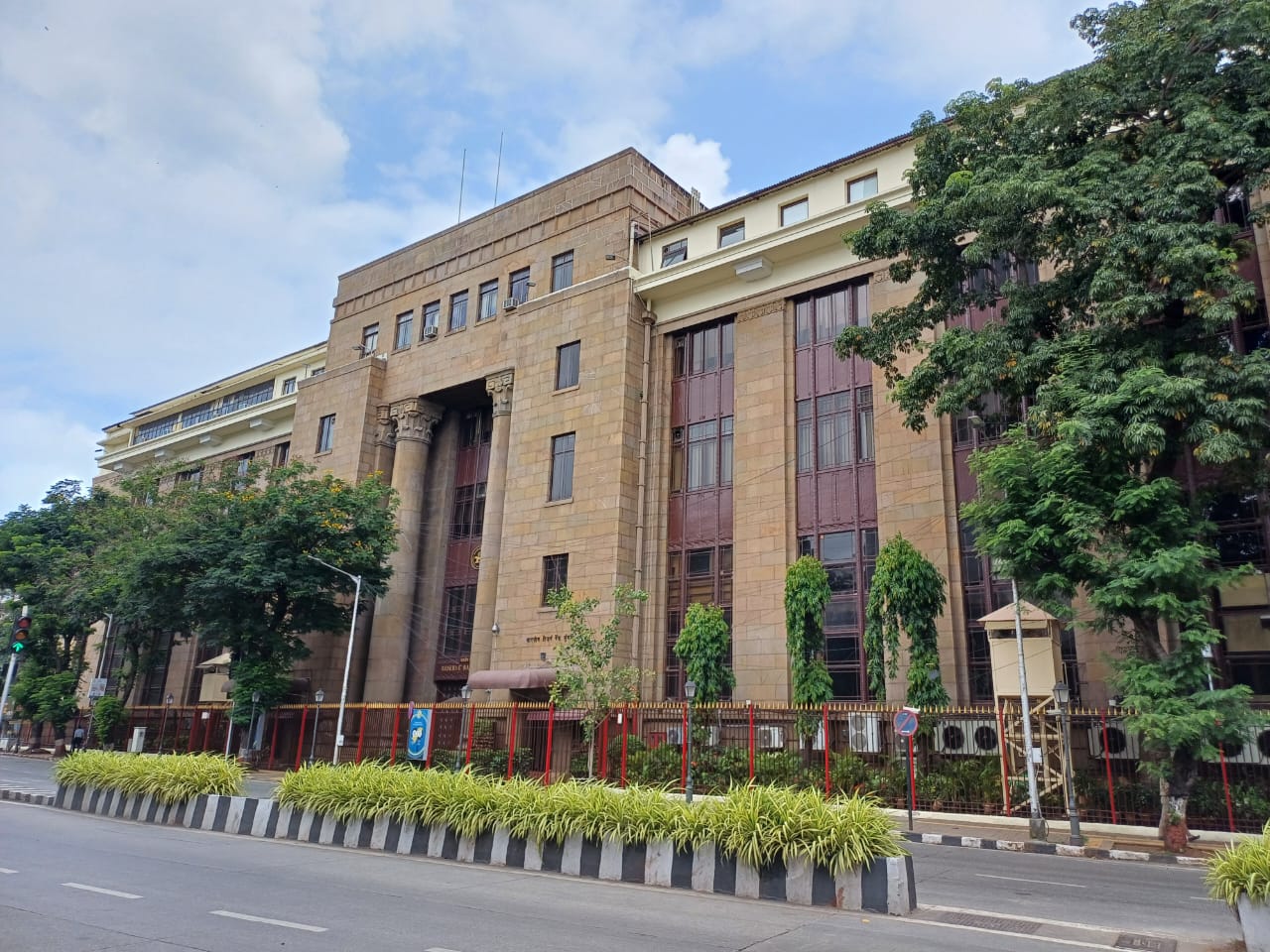 RBI Deposit Rule Updates Explained: Daily Disclosures and New Interest Rate Changes for Banks
 New US Visa Rules Spark Global Debate: Stricter Travel Policies Raise Questions for Students, Tourists, and Families
 Pakistan deploys 250 SH-15 Chinese made howitzers along Indian Borders.
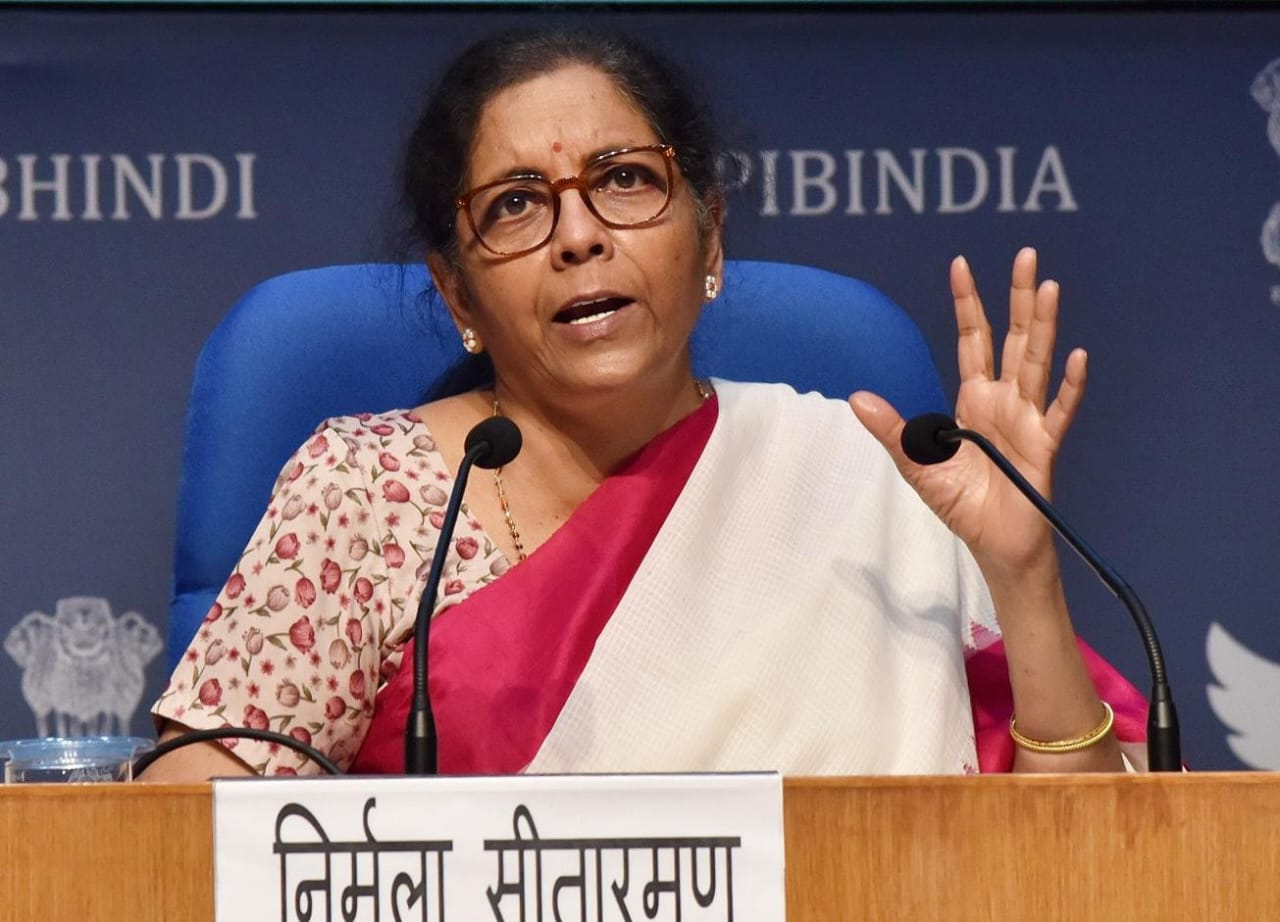 India’s Drop to 6th in GDP Rankings Sign of a Shrinking Economy?
The results of this massive endeavor will undoubtedly shape the political and economic landscape of India for decades to come.
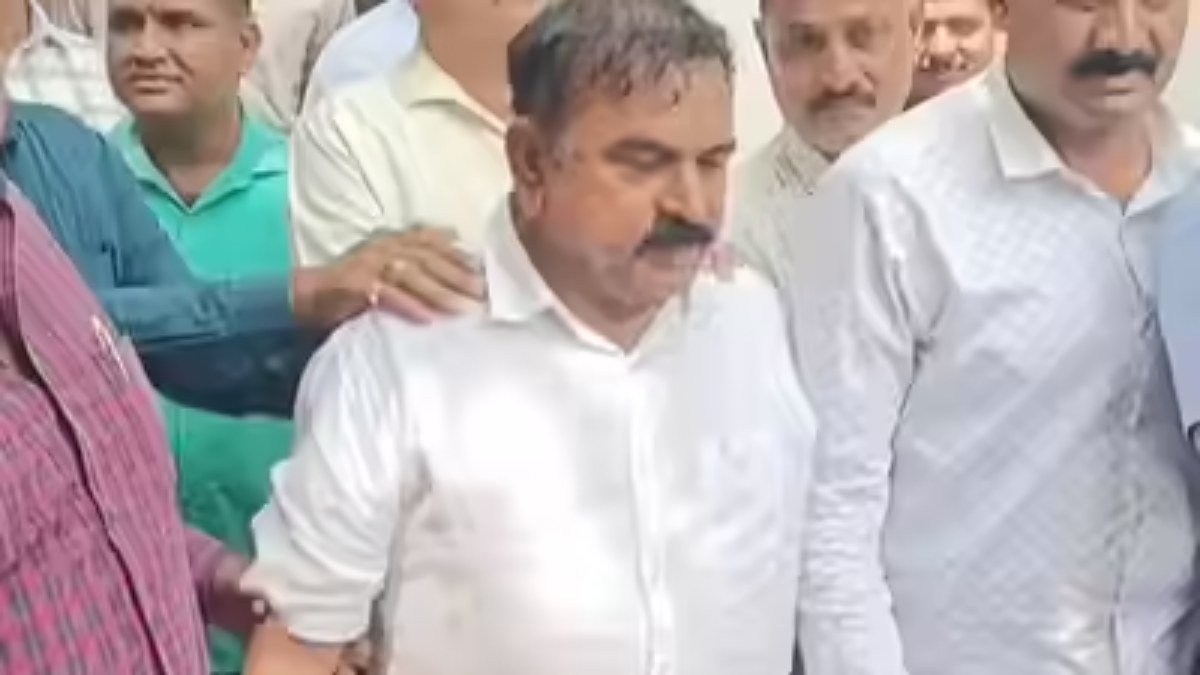
Read moreThe Ashok Kharat case has expanded into a major investigation involving multiple allegations, exposing patterns of abuse, influence, and systemic gaps in accountability surrounding self-styled religious figures in India.
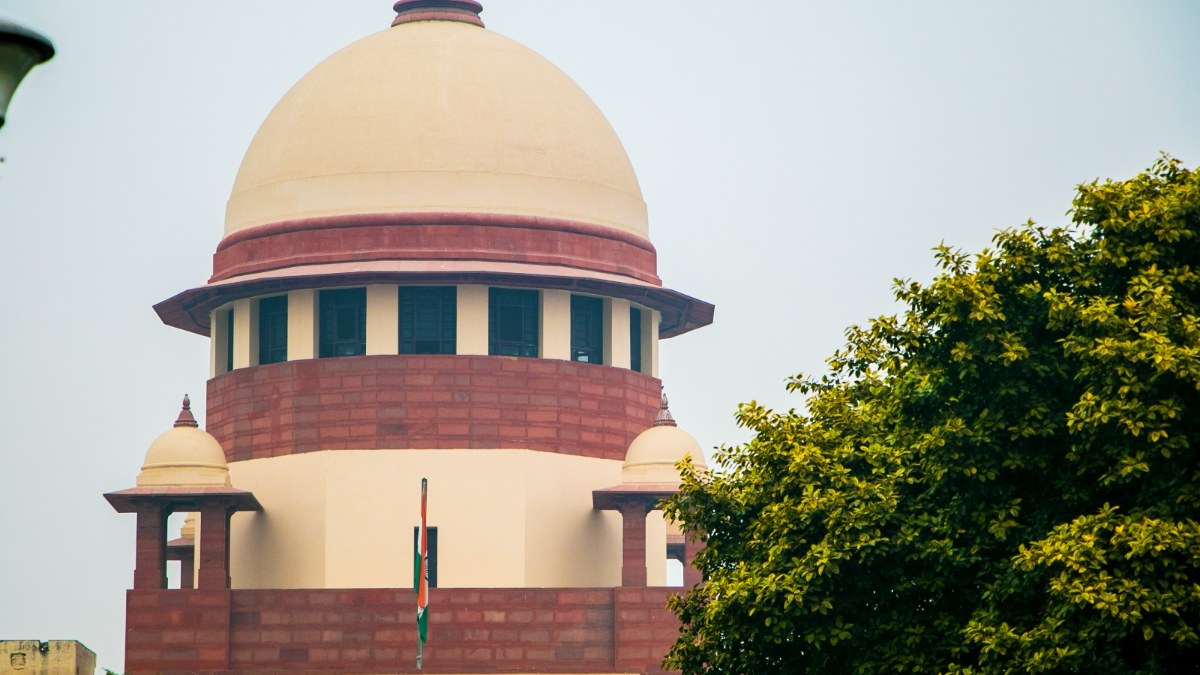
Read moreAt the 45th JP Memorial Lecture organized by the People’s Union for Civil Liberties, former Supreme Court judge Abhay Shreeniwas Oka delivered a deeply reflective and candid critique of the Indian judicial system
Read moreWhen President Donald Trump recently issued a blunt declaration on social media, telling European allies to “Go get your own oil,” it wasn’t just political rhetoric, it was a seismic shift in global economic security.
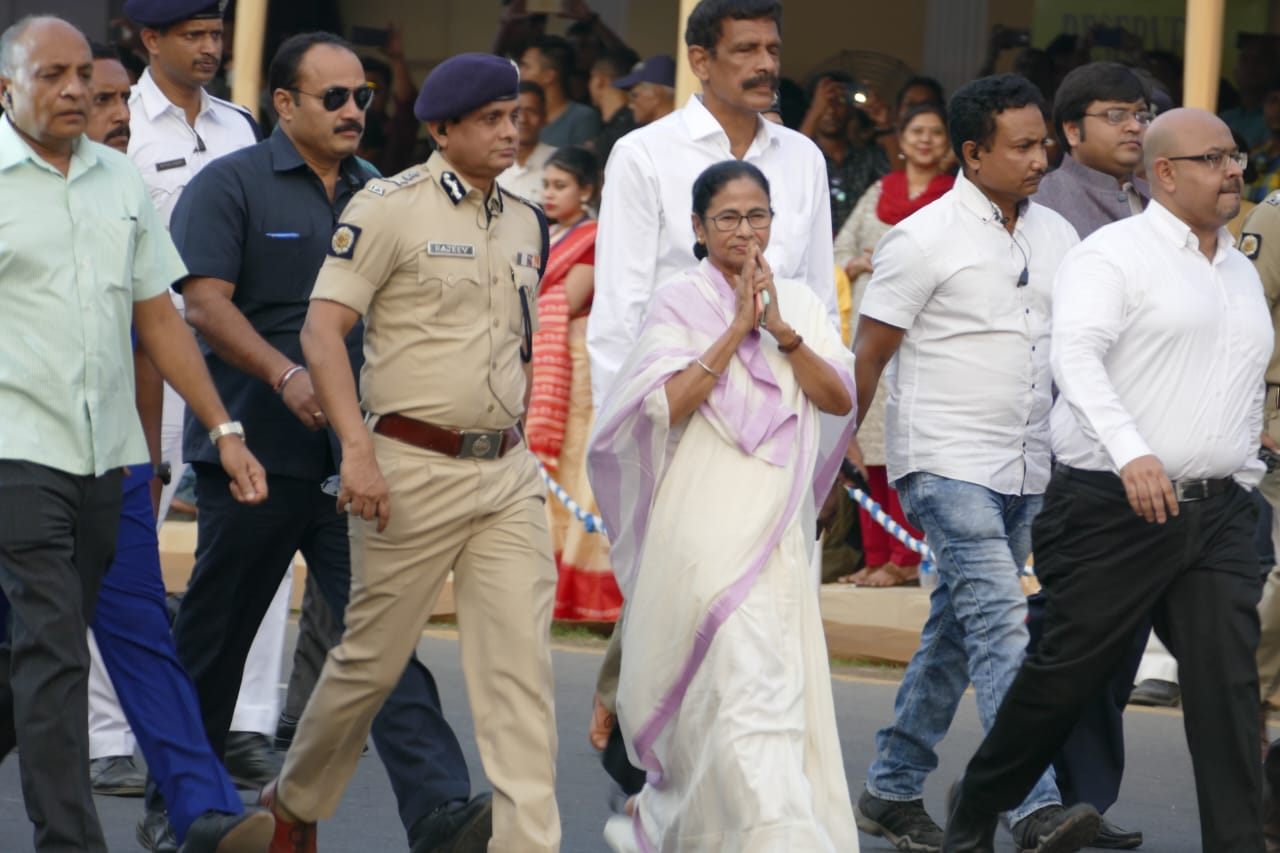
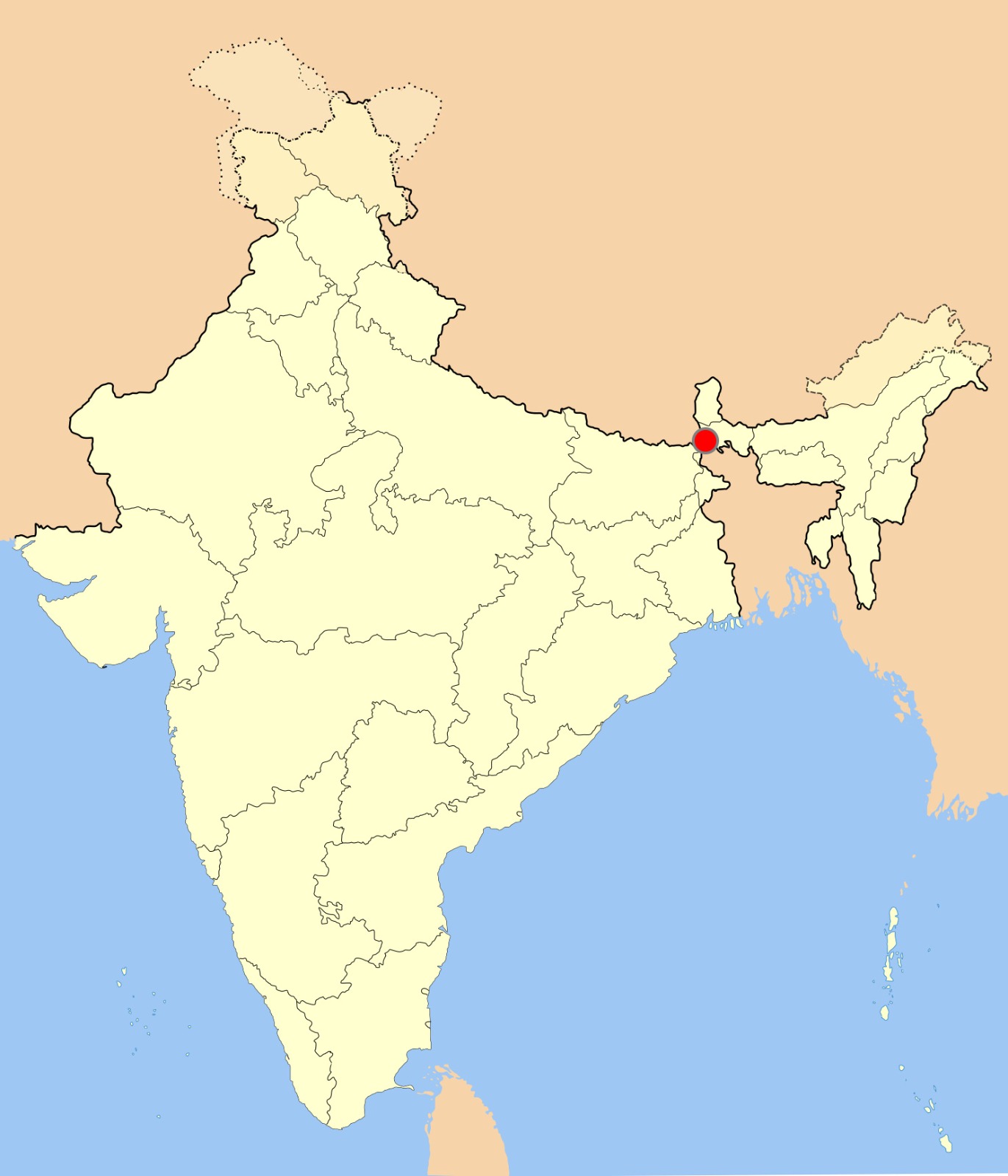
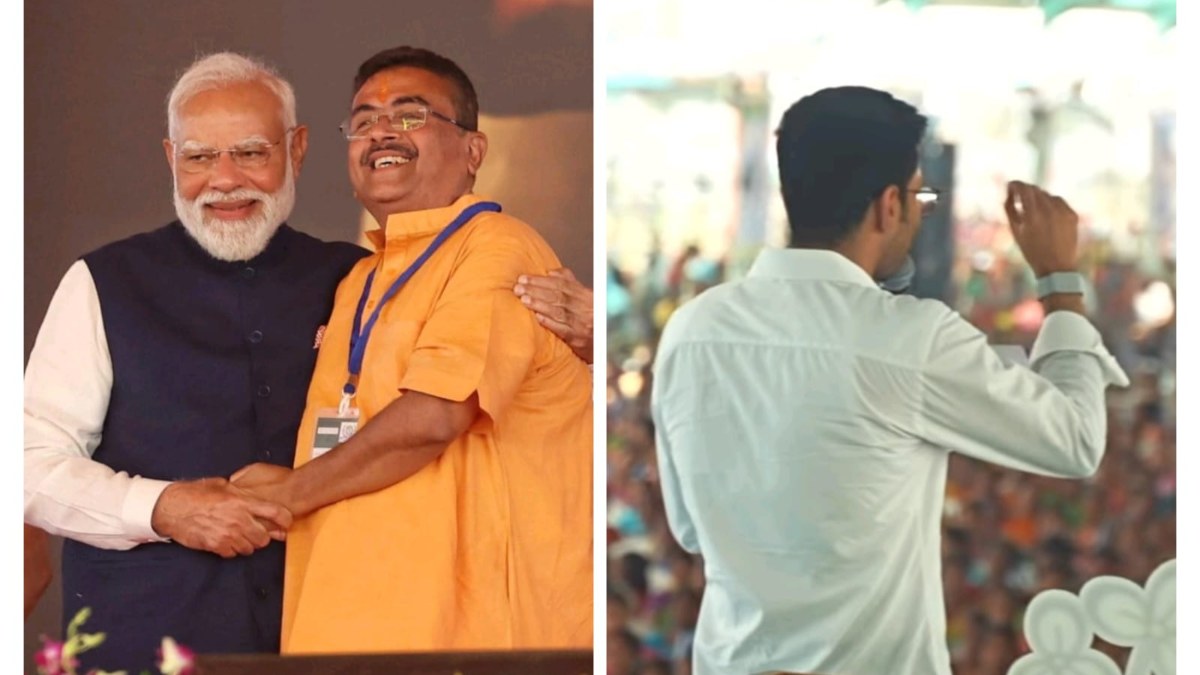
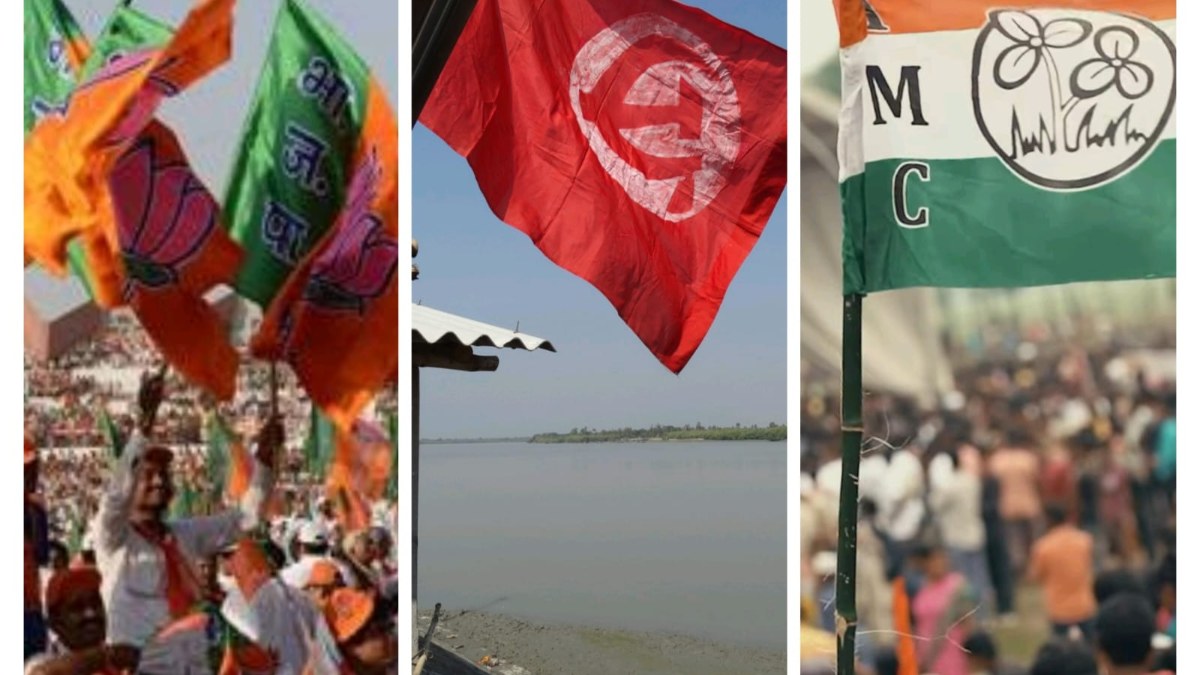
Read moreFrom the tea gardens of North Bengal to the coastal belts of Kanyakumari, the issues remain diverse employment, federalism, and social justice
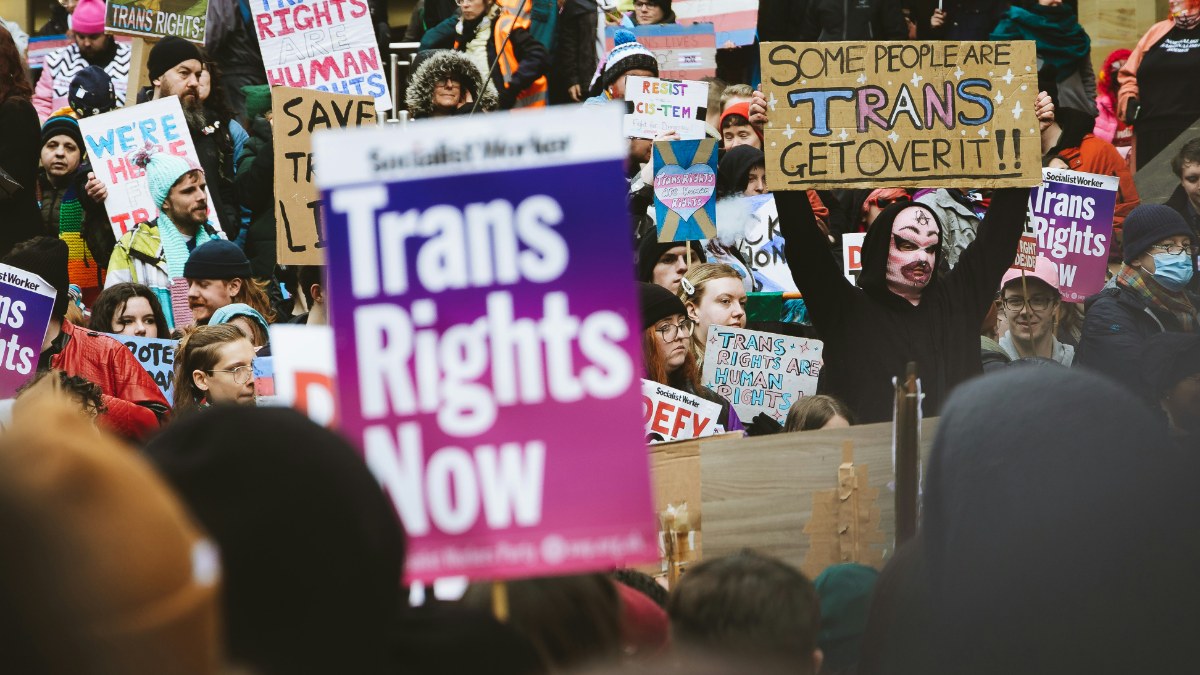
Read moreThe Transgender Amendment Act 2026 introduces medical certification and narrows identity recognition, sparking constitutional concerns over autonomy, dignity, and its departure from the Supreme Court’s NALSA judgment on self identification.
Read moreIn an era of global conflict and climate crisis, Mahavira’s message of “Live and Let Live” is more relevant than ever.
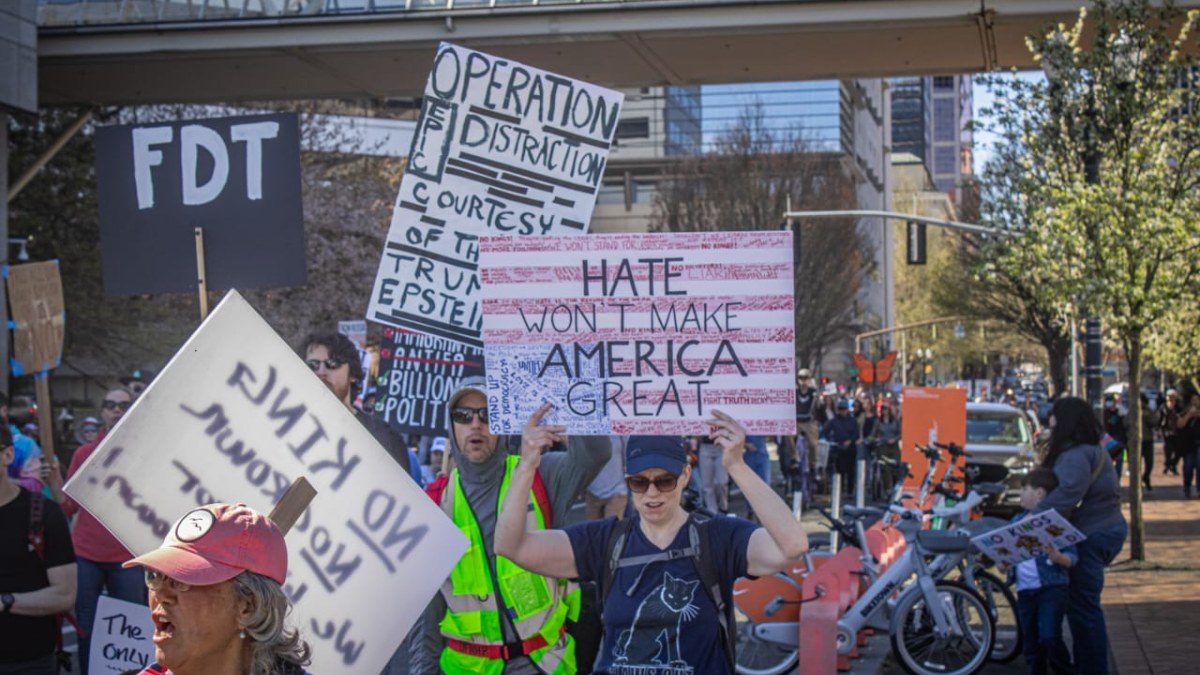
Read moreLarge-scale demonstrations erupted across the United States on Saturday as part of the third nationwide “No Kings” protest movement, drawing millions of participants voicing opposition to the administration of Donald Trump.
Read moreThe Jan Vishwas Bill 2026 proposes sweeping decriminalisation of 717 offences, shifting from imprisonment to penalties, aiming to improve ease of business while raising concerns about enforcement, deterrence, and administrative discretion.
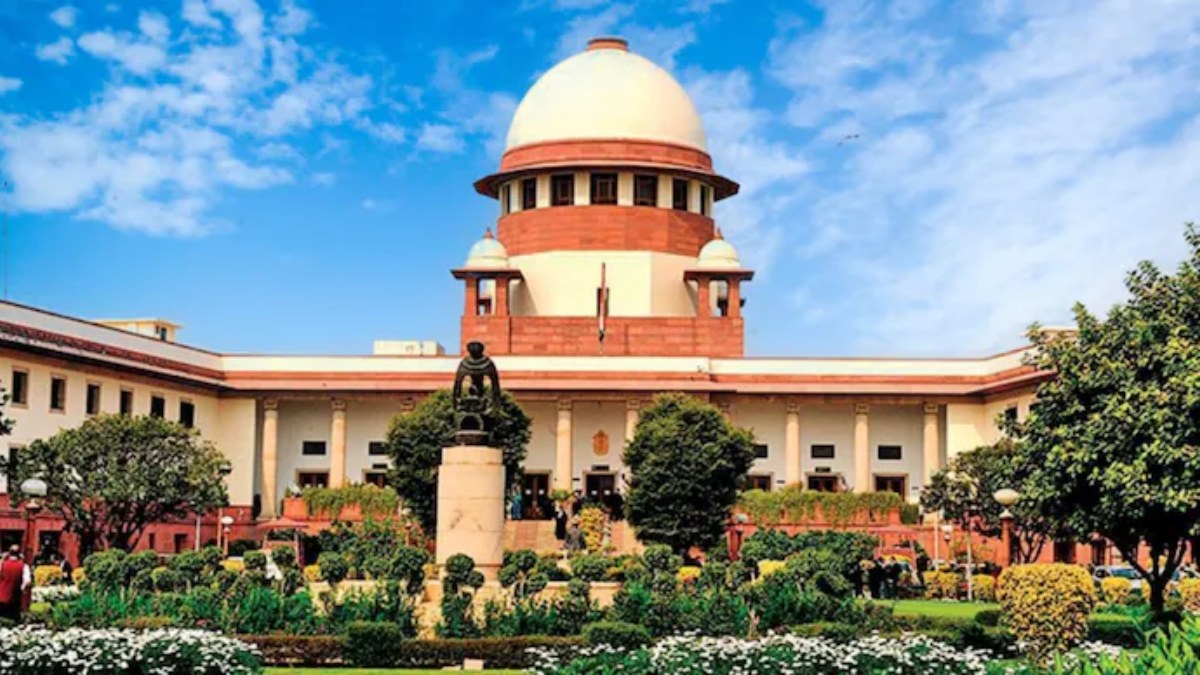
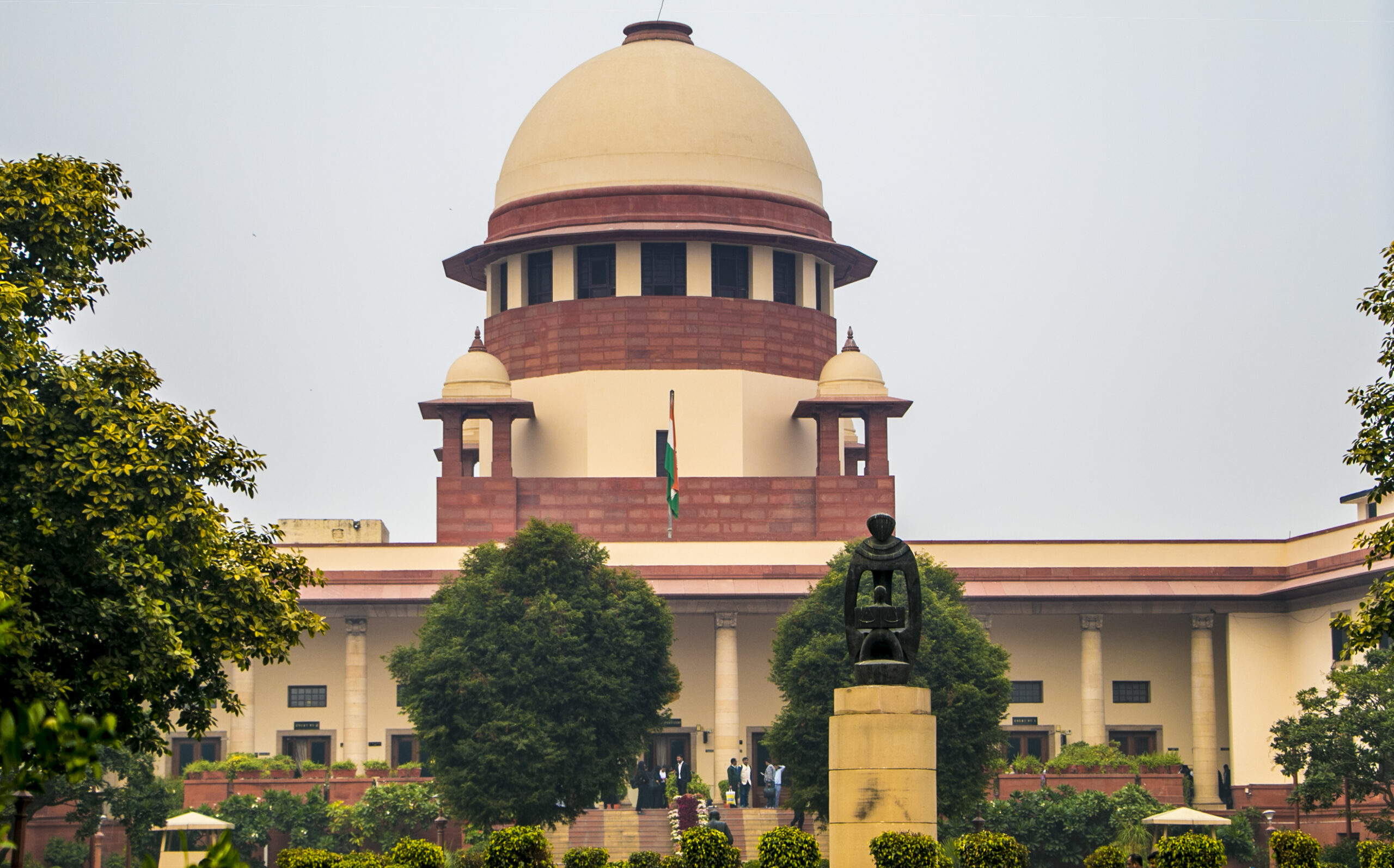
Read moreSupreme Court outlines limits of judicial review over NCERT textbooks, emphasizing academic autonomy, constitutional safeguards, and restraint, while balancing educational policy with fundamental rights and secular, pluralistic values.
Read more